Commercial Roofing Services
Roof Recover and Overlay Systems in Green Bay, WI
Recover and Overlay Roofing for Buildings That Don't Need a Full Tear-Off
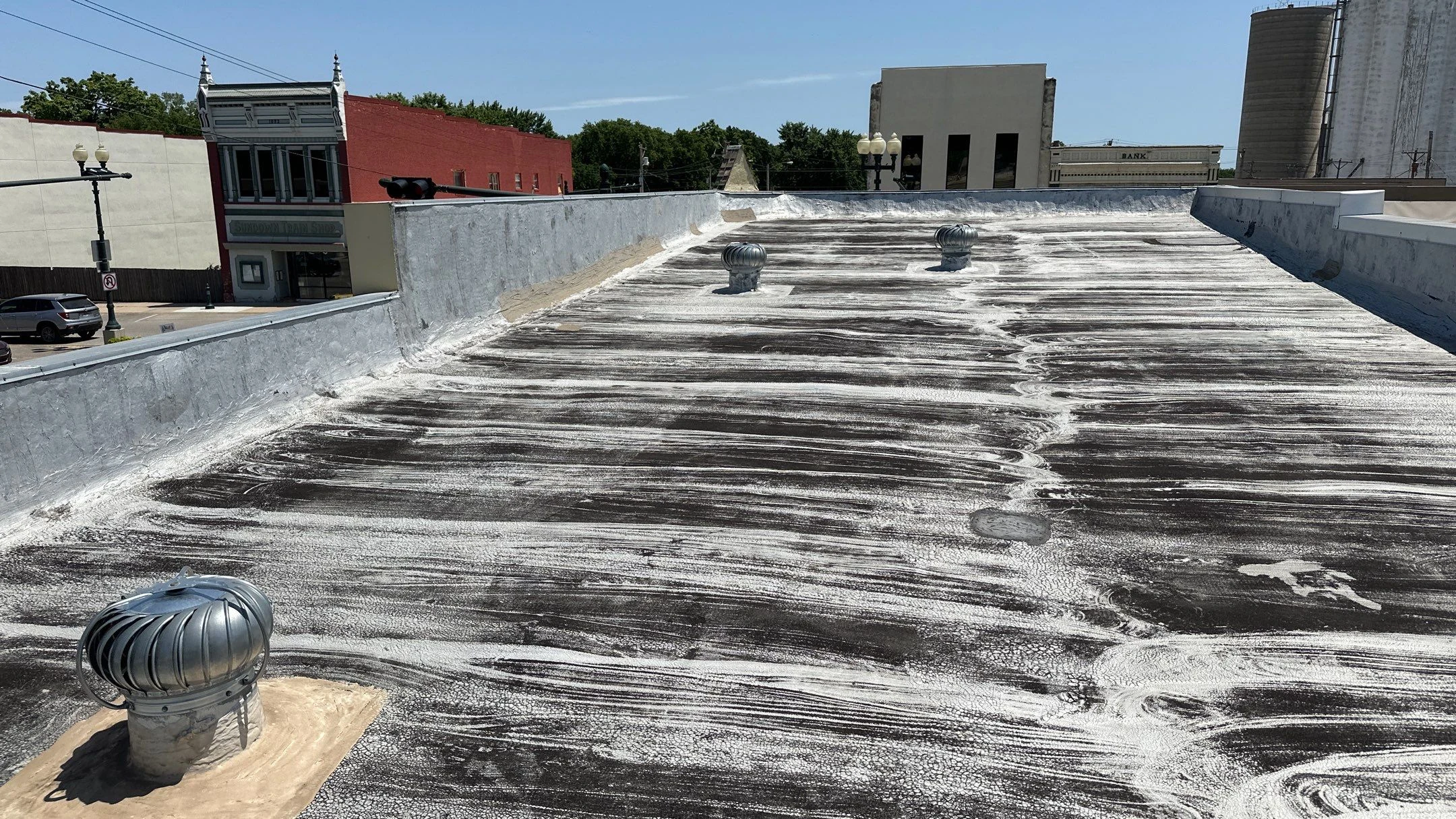
A recover installs a new membrane assembly directly over an existing roof rather than stripping it to the deck, and on the right building it saves real money on demolition and disposal without compromising the new roof's performance. We evaluate every reroof against this option first, and only rule it out when the existing roof genuinely disqualifies it.
How We Decide a Roof Qualifies for Recover
The deck and existing insulation have to pass a moisture scan and, usually, a series of core cuts before recover is on the table. If the scan comes back dry and the insulation still meets a reasonable R-value, we can build a new cover board and membrane over the top and skip the tear-off entirely. If the deck is wet, delaminated, or the insulation has lost meaningful R-value, recover is off the table and tear-off is the only honest recommendation.
We put the moisture survey findings in writing before quoting either direction, since that documentation is what the recover-versus-replace decision actually rests on, not a visual guess from the roof surface.
Tapered Insulation and Fixing Drainage Without New Drains
A recover is also the point where we can correct chronic ponding without relocating existing drains. A tapered insulation package installed as part of the recover assembly redirects water toward the drains that are already there, which is usually far less expensive than adding new roof drains and the interior plumbing tie-in that comes with them.
We map existing ponding areas during the pre-recover survey and design the taper package specifically against those low points, rather than applying a generic taper pattern that may not solve the actual drainage problem on that roof.
Code Limits on Stacking Roof Layers
Building code limits how many roof layers can be stacked before a tear-off is required regardless of substrate condition, and older buildings that have already been recovered once or twice sometimes hit that limit before the field membrane itself would otherwise need replacement. We check the existing layer count as one of the first steps in any recover evaluation, since it can rule out the option before the moisture scan even happens.
What a Recover Assembly Includes
- Moisture scan and core cuts to confirm the deck and insulation qualify
- Existing layer count check against current building code limits
- Tapered insulation package designed to existing drain locations
- New cover board matched to the membrane and attachment method
- Membrane installation in the system best matched to the building's use
- Structural review confirming the deck can carry the added assembly weight
Recover Costs Against a Full Reroof Budget
Skipping tear-off and disposal is where most of a recover's savings come from, and on a large roof that difference can be significant enough to change the timeline of when an owner can afford to act. We itemize the tear-off, disposal, and deck repair costs a recover avoids so the comparison against a full reroof is concrete rather than a rough percentage estimate.
When Recover Is the Wrong Call
We don't sell a recover just because it's cheaper up front. A recover installed over a roof with trapped moisture fails faster than the membrane it's covering, and the second failure costs more than the original tear-off would have. Where the moisture scan or layer count rules out recover, we say so plainly and price the tear-off alternative instead of pushing a shortcut that will not hold up.
On buildings planning a near-term addition or major mechanical upgrade, we sometimes recommend tear-off even when recover is technically possible, since a fresh assembly is easier to design around new rooftop equipment loads than a recover built on top of an older deck's existing limitations.
Recover on Cold Storage and Food Processing Roofs
Recover assemblies come up often on the food processing and cold storage buildings around the port corridor, since those roofs are frequently in service continuously and a tear-off's exposure risk to the interior environment is as real an operational concern as a cost one. Where the moisture scan comes back clean, a recover lets us upgrade the vapor retarder and insulation package without the extended open-deck exposure a full tear-off would require on a refrigerated building.
Roof Recover and Overlay Questions
How do you know if our existing roof qualifies for a recover?
We run a moisture scan and core cuts across the roof, check the existing layer count against current code, and confirm the structure can carry the added weight before recommending recover over tear-off.
Does a recover void our manufacturer warranty on the layer underneath?
The existing roof's original warranty is typically already expired or nearing expiration by the time a recover is being considered; the recover assembly carries its own new warranty terms from the manufacturer of the new system installed.
Can a recover fix a roof with ponding water?
Often yes, through a tapered insulation package designed against the existing low points, which redirects water to existing drains without the cost of relocating or adding new drainage.
How much does a recover typically save compared to a full tear-off?
Savings come primarily from avoided demolition and disposal costs, which vary by roof size and existing system, so we itemize both scopes for direct comparison rather than quoting a flat percentage.
What happens if the moisture scan finds wet insulation in only part of the roof?
We can sometimes recommend a hybrid approach: tear-off and replace only the wet sections while recovering the sections that pass the moisture scan, which keeps cost down without covering over a known problem area.